























At Kenia Fitness we’re always talking about training, performance, and consistency. We practice martial arts, boxing, CrossFit, functional training, fitness… activities that keep us active and motivated.
But there’s one reality every athlete faces sooner or later: injuries.
A nagging knee, an overloaded shoulder, an ankle sprain, or lower back pain can force you to stop. And then the big question comes up:
➤ What do I do now to recover properly and avoid getting injured again?
In this article we’ll explain how to approach sports rehabilitation responsibly, what you can do at home to regain strength and endurance, and how to return to training step by step.
The injury isn’t the end—it’s part of the process
Getting injured doesn’t mean you failed or trained “wrong.” In many cases, it’s simply a sign your body needs adjustments: more rest, better technique, or a more appropriate progression.
What matters isn’t just “healing,” but recovering well. Coming back too soon or ignoring the process can turn a minor injury into a chronic problem.
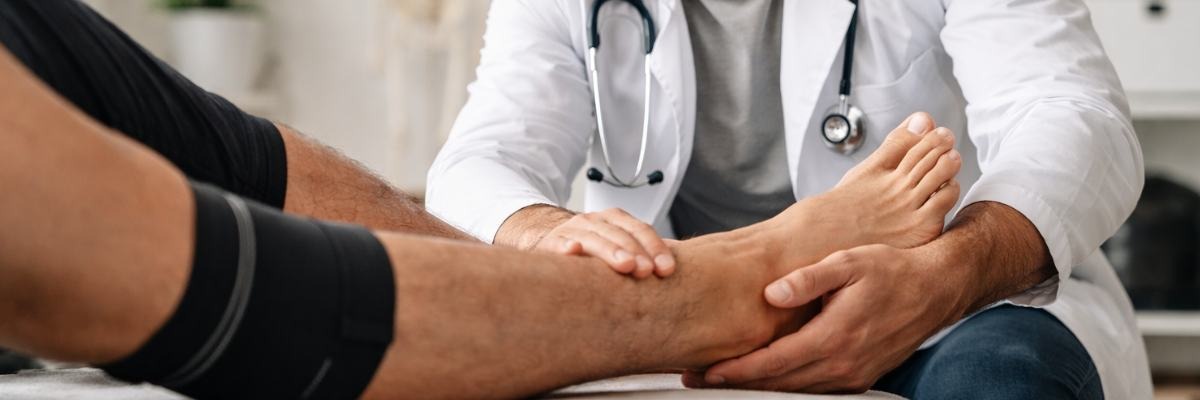
➤ Key message #1: if you get injured, always see a specialist (doctor, physiotherapist, or orthopedis). A professional diagnosis is essential.
Phases of sports rehabilitation
Every injury is different, but recovery usually goes through a few common phases:
1) Early phase: active rest and pain control
In the first days, the goal is to reduce inflammation and pain. This isn’t about “pushing through”—it’s about protecting the injured area.
- Avoid painful movements
- Apply cold if your professional recommends it
- Keep the rest of your body active if possible
Rest doesn’t mean complete immobility—it means adapting activity.
2) Regain mobility and control
Once pain decreases, gentle mobility work begins.
At home (always following professional guidance), you can work on:
- Slow, controlled movements
- Range-of-motion exercises
- Light muscle activation
The goal isn’t strength yet—it’s moving well again.
3) Rebuild strength and stability
This is a key phase. Many relapses happen because people return to training without having regained enough strength.
Common exercises in this stage:
- Resistance band work
- Isometric exercises
- Core strengthening
- Ankle, knee, or shoulder stability work depending on the injury
This can be done at home and is essential to return with confidence.
4) Restore endurance and sport-specific capacity
When basic strength returns, it’s time to reintroduce endurance.
- Short sets
- Low intensity
- More control than volume
This is when your body starts remembering sport patterns—but it still needs time.
5) Gradual return to training
Returning to training doesn’t mean being back at 100% on day one.
Best practices:
- Reduce loads and volume
- Avoid impact at first
- Prioritize technique and control
- Listen to any warning signs of pain
Patience at this stage is the difference between recovering well—or getting injured again.
What you can do at home to support recovery
Professional follow-up is essential, but at home you can support the process a lot:
- Daily mobility work
- Gentle strength training with bodyweight
- Resistance bands for activation
- Core and stability training
- Breathing and postural control
The goal isn’t to train hard—it’s to prepare your body to train hard again.
Use the right equipment during recovery
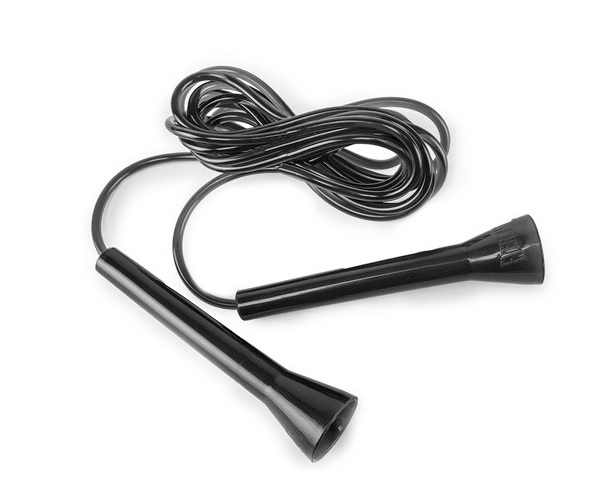
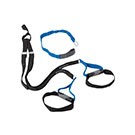
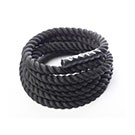
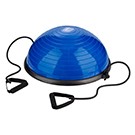
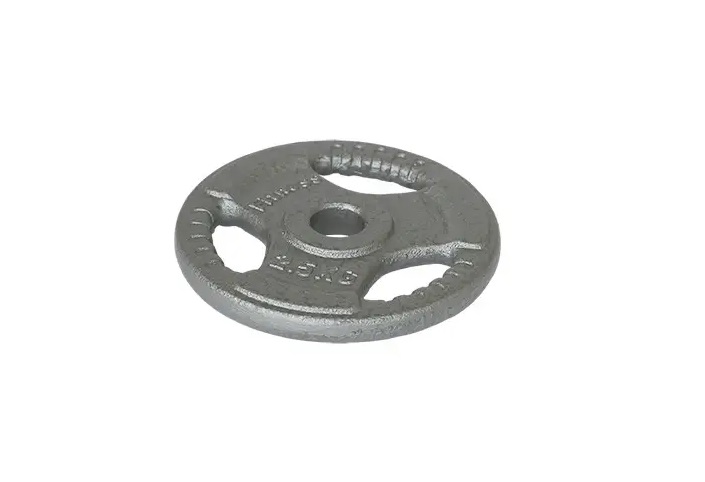
Along with professional guidance, having the right equipment can make a big difference in your rehabilitation process. At Kenia Fitness you can find accessories designed to support you through every phase of recovery and help you return to training safely:
- Resistance bands to build progressive strength and improve muscle control
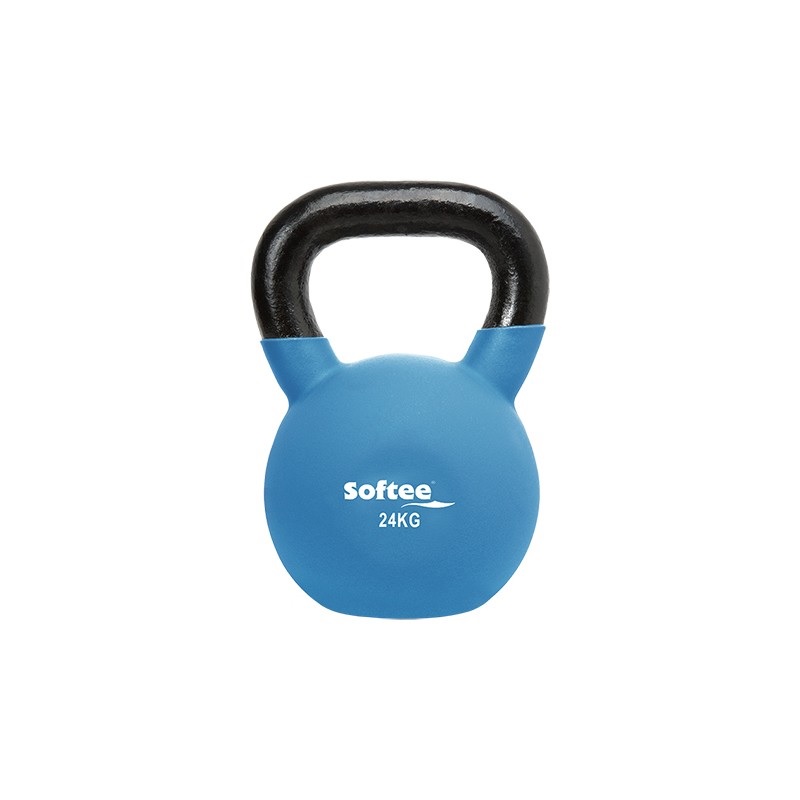
- Light weights and dumbbells to restore tone without overloading the joints
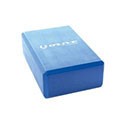
- Exercise mats for floor work, mobility, and core training
- Foam rollers and muscle-release tools to ease tension and support recovery
These tools help you adapt your training to your current condition, build endurance gradually, and strengthen the injured area before returning to full activity.
➤ Recovering well today means training better tomorrow. Listen to your body, follow professional guidance, and use the right equipment to come back stronger and more confident.
Common mistakes to avoid
- Not rebuilding strength “because it doesn’t hurt anymore”
- Ignoring small discomforts
Recovering properly takes time—but it lowers the risk of future injuries.
In summary
Training matters. Recovering well matters even more.
At Kenia Fitness we believe in sustainable sport—where you take care of your body so you can keep training for years. If you get injured, stop, assess it, recover, and return step by step. Rehabilitation isn’t an obstacle—it’s an opportunity to come back stronger, more aware, and better prepared.
- today
- label News
- favorite 0 likes
- remove_red_eye 782 views
- comment 0 comments
Comments (0)