







Before looking at the different types of boxing bags, it is worth understanding why this piece of equipment is so important. A punching bag is one of the essential training tools for anyone practising boxing or other combat sports and martial arts.
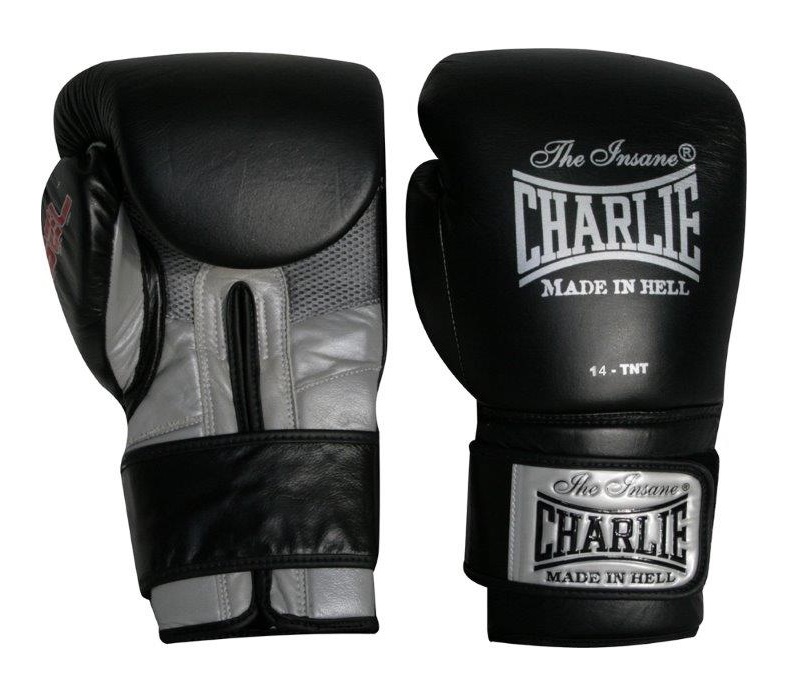
Training with a punching bag allows you to practise techniques repeatedly without needing a training partner. However, before you start throwing punches, remember that protecting your hands and wrists is essential. Using suitable boxing gloves and hand wraps can help you train more comfortably and safely.
Punching bag training serves several purposes: improving technique, developing muscle memory, increasing strength and conditioning the body for repeated striking.
Technique: especially when you are starting out, movements should be practised under the supervision of a coach until your technique is correct.
Muscle memory: repeating combinations and movements helps them become increasingly natural and automatic.
Strength and conditioning: as your technique improves, punching bag sessions can be used to develop power, endurance and overall physical conditioning.
Benefits of training with a punching bag
Punching bag workouts aren't just about learning how to punch harder. They can also provide a demanding full-body workout with several benefits.
Helps release everyday stress
A hard training session can be a great way to release accumulated tension. Punching the bag requires concentration and physical effort, allowing you to disconnect from everyday concerns while focusing on your movements.
Provides an intense cardiovascular workout
Punching bag training can raise your heart rate considerably, particularly when you combine combinations with constant footwork.
This makes it useful for developing cardiovascular fitness and physical endurance while increasing the overall intensity of your training.
Improves coordination and reflexes
Boxing requires you to coordinate your hands, feet and body while maintaining balance and concentration.
Working with moving targets such as a speed bag or double-end bag can be particularly useful for developing hand-eye coordination, rhythm and reactions.
Works muscles throughout the body
Although punching appears to be mainly an upper-body movement, correct boxing technique involves much more.
Your shoulders, arms and core participate in every combination, while your legs and hips help generate power and allow you to move around the bag.
Helps build confidence
Seeing your technique, speed and conditioning improve over time can give you greater confidence when training. Progress becomes particularly noticeable when combinations that initially felt difficult start to become much more natural.
What types of boxing bags are there?
There are several types of punching bags, and each one is designed for a different type of training.
Some are large and heavy, making them suitable for developing power and practising combinations. Others are smaller and move much faster, making them particularly useful for developing speed, accuracy and reflexes.
Choosing between them therefore depends primarily on what you want to improve.
Choosing a punching bag by length
One of the first things to consider is the length of the bag. Three common sizes are:
120 cm: suitable primarily for boxing and practising punches.
150 cm: provides a larger striking area and can be useful for boxing, full contact and training combinations involving punches and higher kicks.
180 cm: its additional length makes it suitable for punches and a wider variety of kicks, including low kicks. It is commonly used for disciplines such as kickboxing and Muay Thai.
Length isn't the only factor you should consider, however. The type of bag, its weight, material and available space will also influence your choice.
Different types of punching bags
Freestanding punching bags
A freestanding punching bag uses a weighted base rather than being suspended from a ceiling or wall.
This makes it particularly practical when you don't have somewhere suitable to install a hanging bag. It can also be moved when necessary, making it a convenient option for home training or multipurpose training spaces.
Freestanding bags usually provide a relatively large striking surface and a flexible structure that moves backwards after impact.
Depending on their height and design, they can be used to practise punches and kicks, which makes them suitable not only for boxing but also for disciplines such as kickboxing, taekwondo, karate and other martial arts.
Who is a freestanding punching bag suitable for?
It can be a good choice if:
▷You cannot drill into the ceiling or walls.
▷You need to move or store your equipment.
▷You want to practise both punches and kicks.
▷You train at home and have limited space.
The main difference compared with a hanging heavy bag is the way it reacts to impact, so the training sensation will not be exactly the same.
Heavy punching bags
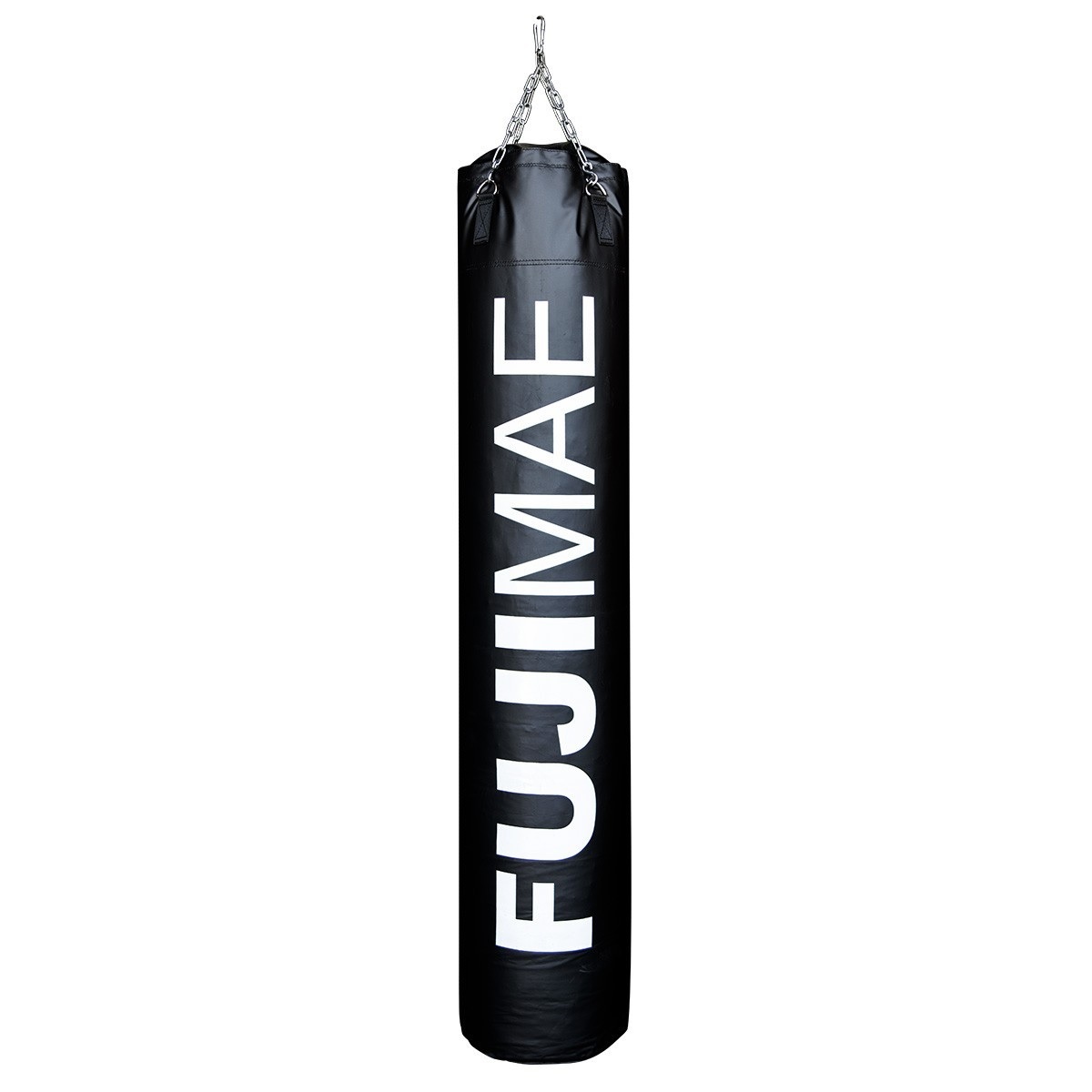
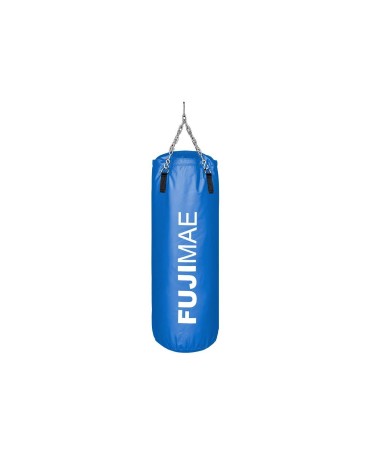
The heavy bag is probably the type most people associate with boxing training.
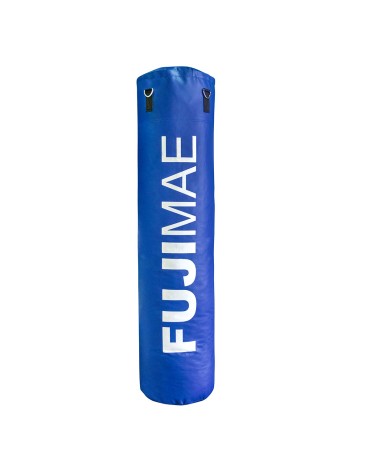
These are large cylindrical bags, normally suspended using chains or straps, designed to withstand repeated combinations and powerful strikes.
They are useful for practising:
▷Straight punches.
▷Hooks and uppercuts.
▷Punch combinations.
▷Body shots.
▷Power.
▷Movement around the target.
Longer heavy bags can also be used for kicks and knee strikes in disciplines such as Muay Thai or kickboxing.
Because heavy bag sessions involve repeated impact, appropriate protection is particularly important. Hand wraps and suitable boxing gloves help support the hands and wrists during training.
Heavy bag weight and dimensions
The exact specifications depend on the manufacturer and model, but typical examples include:
|
Weight
|
Dimensions
|
|
32 kg
|
100 × 35 cm
|
|
38 kg
|
120 × 35 cm
|
|
45 kg
|
150 × 35 cm
|
|
58 kg
|
180 × 35 cm
|
A heavier bag generally moves less when hit, while a lighter one will swing more easily.
The right option will therefore depend on your size, experience and the type of training you want to perform.
Speed bags
The speed bag, sometimes called a speedball or punching ball, is very different from a traditional heavy bag.
Rather than focusing primarily on punching power, it is designed to work on speed, rhythm, accuracy and hand-eye coordination.
The bag is small, usually air-filled and attached to a platform. Once struck, it rebounds quickly, requiring you to maintain a consistent rhythm.
Training with a speed bag can also encourage you to keep your hands raised while developing coordination between your eyes and hands.
Speed bags are available in different sizes. Larger models generally move more slowly and can therefore be easier for beginners to control, while smaller models respond more quickly and demand greater precision and rhythm.
Double-end bags
The double-end bag is attached at two points: one to the floor and another to the ceiling.
This creates a completely different movement from a heavy bag.
After being struck, the ball moves rapidly in different directions and returns towards the boxer. Instead of focusing on raw power, the exercise challenges your:
▷Reflexes.
▷Timing.
▷Accuracy.
▷Defensive reactions.
▷Hand-eye coordination.
▷Distance control.
The adjustable straps allow the height and tension to be modified according to the athlete and the desired response of the bag.
For boxers who already have basic punching technique and want to improve their reactions, the double-end bag can be an excellent addition to training.
Heavy bag, speed bag or double-end bag: which one should you choose?
There isn't one punching bag that is automatically better than all the others. The best option depends on what you want to train.
|
Type of punching bag
|
Best for
|
|
Heavy bag
|
Power, combinations, conditioning and technique
|
|
Freestanding bag
|
Home training, punches and kicks, spaces without ceiling mounting
|
|
Speed bag
|
Speed, rhythm and hand-eye coordination
|
|
Double-end bag
|
Reflexes, accuracy, timing and defensive reactions
|
If your main objective is to develop punching power and practise combinations, a heavy bag is usually the most versatile choice.
If you want to improve speed and rhythm, a speed bag offers a much more specific training stimulus.
For reflexes, timing and accuracy against a moving target, the double-end bag is particularly useful.
And if installing a hanging bag isn't possible, a freestanding model provides a practical alternative.
What should you consider when choosing a punching bag?
Knowing the different types is only the first step. Before buying one, consider several practical factors.
Your type of training
A boxer who mainly practises punches does not necessarily need the same bag as someone training Muay Thai or kickboxing.
If kicks are an important part of your sessions, a longer striking surface will usually be more useful.
Available space
Before choosing a bag, measure your training area.
Remember that a hanging bag needs room to swing and you need enough space around it to move, change angles and practise footwork safely.
Installation
Heavy bags require a suitable fixing point capable of supporting both the weight of the bag and the forces generated when you strike it.
If you don't have one, a freestanding bag may be a more practical solution.
Weight
A bag that is too light may move excessively when you strike it. A heavier bag provides greater resistance but also requires a suitable mounting system.
Your body weight, experience and training goals should all be taken into account.
Material
The outer material influences durability, feel and price.
What materials are punching bags made from?
Genuine leather
Natural leather is traditionally associated with premium punching bags. A well-made leather bag can withstand intensive use for years when maintained correctly.
Its main disadvantage is usually its higher price.
PU leather, vinyl or synthetic leather
Synthetic materials are widely used because they provide a good balance between durability and price.
Quality varies between manufacturers, so the construction and stitching are just as important as the material itself.
Polyester, nylon or canvas
These materials can be found in more affordable bags and models designed for lighter use.
Their suitability for intensive training will depend on the quality and construction of the individual bag.
PVC
PVC is another material found in entry-level punching bags. It is generally more affordable, although durability can vary considerably between models.
How do you look after a punching bag?
A little maintenance can significantly extend the useful life of your equipment.
▷Regularly inspect:
▷The outer surface for cracks or tears.
▷Stitching and seams.
▷Chains and straps.
▷Ceiling or wall fixings.
▷The base of freestanding models.
▷Any areas where the filling has become uneven.
Wipe the surface after training, particularly if it has come into contact with sweat, and follow the manufacturer's cleaning instructions for the specific material.
For hanging bags, it is also important to check the mounting system periodically. The forces generated during repeated punches can loosen fixings over time.
Don't forget your boxing protection
Whatever type of punching bag you choose, protection should always be part of your training.
Repeatedly hitting a bag without appropriate equipment can place unnecessary stress on the hands and wrists.
For bag sessions, boxing hand wraps and suitable gloves should be among the first pieces of equipment you consider. Technique is equally important: increasing power before learning how to strike correctly is rarely a good idea.
If you're just getting started, practising under the guidance of a qualified boxing coach can help you develop correct movement and punching mechanics from the beginning.
Which punching bag is right for you?
Now that you know the main differences between the various types of boxing bags, choosing one becomes much easier.
Think first about how you train and what you want to improve rather than simply choosing the largest or heaviest option.
For power and combinations, look towards a heavy bag. For speed and rhythm, consider a speed bag. For reflexes and accuracy, try a double-end bag. And if you need something that doesn't require permanent installation, a freestanding punching bag may be the most convenient choice.
At Kenia Fitness, you can find boxing bags and equipment for different types of traning, whether you're taking your first steps in boxing or looking to complete your current setup.
And most importantly: whichever bag you choose, train with the appropriate protection and prioritise good technique before power.
- today
- perm_identity Kenia Fitness
- label Boxeo
- favorite 1 likes
- remove_red_eye 9429 views
- comment 0 comments
Related products
Comments (0)
No comments at this moment