















¿Your kid has energy for three lifetimes… or, on the opposite end, they’re shy and struggle to find their place. Choosing an after-school activity isn’t easy: you want them to move, learn values, and enjoy it—without feeling frustrated.
Martial arts (like judo, karate, or taekwondo) aren’t about “fighting.” When they’re taught properly, they become a school of respect, self-control, and confidence—with a bonus: they help kids develop both body and mind at the same time.
In this guide, you’ll learn:
• Which benefits are truly real (and noticeable at home).
• The best age to start martial arts.
• How to choose the right discipline based on your child’s personality.
• And the essential gear to start safely (without overspending).
Benefits of Martial Arts for Kids (You’ll Notice at Home)
In many sports, the goal is to win a game. In martial arts, the goal is often to improve yourself. That’s why the benefits go far beyond physical exercise:
1. Coordination, Balance, and Motor Skills
In every class, kids practice patterns that can be challenging at first: crossing arms and legs, turning, falling safely, standing up, and keeping good posture.
Result: fewer clumsy moments, better balance, and more body control.
2. Stronger Posture and Back
Between school, homework, and screens, kids spend a lot of time sitting. Martial arts strengthen the back and core and improve posture—something you’ll appreciate in the long run.
3. Energy (and Emotion) Management
For energetic kids, martial arts are ideal because they release energy in a structured way. And for anxious or impulsive kids, they learn to pause, listen, and execute.
4. Discipline Without Shouting
A good class follows a routine: bowing in, rules, taking turns, and respecting training partners. That repetition builds habits.
The best part: it’s not “military discipline”—it’s practical discipline.
5. Confidence and Self-Esteem
When a child sees progress (a move that finally works, a belt, a new technique), something clicks: “If I practice, I improve.” That confidence carries over outside the dojo..
Important: martial arts aren’t a “magic solution” to bullying, but they can help kids feel more confident and build stronger emotional tools.
➤ Note for parents: Did you know many adults end up trying combat sports after seeing their kids enjoy it?
It’s also common for gyms to organize family training days. Martial arts can offer huge benefits for adults too—if you want to learn more, check out our guide on the physical and mental benefits of martial arts.
What’s the Best Age to Start Martial Arts?
There isn’t one single answer, but there’s a helpful rule: the better kids understand instructions and control their bodies, the more they enjoy training—and the less frustrated they feel.
Ages 4–5: Pre-Martial Arts (Learning Through Play)
At this age, classes should be very playful:
• Balance games,
• Rolling and falling safely,
• Basic coordination
• Simple rules and routines.
Real goal: helping them associate the mat with fun and safety..
Ages 6–10: The Best Age to Start
For many instructors, this is the sweet spot:
• They can focus long enough to learn technique
• Their coordination improves quickly.
• They understand values like respect, effort, and patience.
This is usually when kids get hooked—and when progress becomes very visible.
Ages 11–13: Pre-Teen Years (Character and Friends)
In pre-adolescence, belonging to a values-based group can be a powerful anchor. It also improves fitness and confidence during a phase full of changes..
Practical tip: if your child is shy or struggles socially, look for a club with a positive atmosphere and partner work.
¿Which Martial Art Fits Your Child’s Personality?
It’s not about choosing “the best” discipline overall—it’s about finding the one that fits your child right now.
|
Discipline |
Best if your child… |
What they’ll gain most |
|
Judo |
Has lots of energy and doesn’t mind contact | balance, coordination, learning to fall safely, self-control, discipline |
|
Karate |
Needs structure, focus, and clear rules | attention, posture, self-control, confidence |
|
Taekwondo |
Is very active and loves fast, dynamic movement | agility, flexibility, coordination, self-esteem |
Essential Gear to Start (Without Overspending)
If there’s one thing that stops many parents, it’s this: “So… what do I need to buy?”
Good news: to start well, you don’t need a ton of stuff—just the essentials so your child feels comfortable, safe, and motivated from day one.
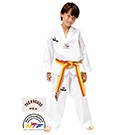
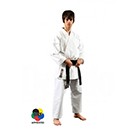
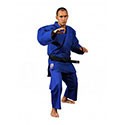
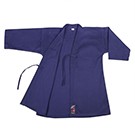
1. Uniform (Kimono / Dobok / Judogi)
This is the most important item. A quality uniform is noticeable in two ways: how it feels while training (comfort) and how it holds up over time (durability).
• For beginners, choose something durable but lightweight, easy to move in, and not too heavy.
• Important: not every uniform fits every discipline. The cut changes depending on judo, karate, taekwondo, etc.
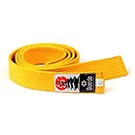
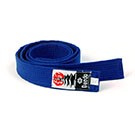
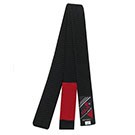
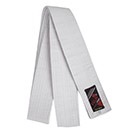
2. Belt (The Part Kids Get Most Excited About)
A belt isn’t just a piece of fabric—for a child, it’s their weekly “medal,” a visible reminder that they’re improving.
• Choose a good-quality belt: with knots, pulls, and washes, cheaper ones deform quickly and fade.
• Getting the right size prevents it from being too short—or dragging on the floor.
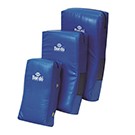
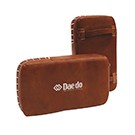
3. Recommended Protection (Depending on the Discipline)
Your instructor’s rules come first, but if you want peace of mind from day one, these are the most common:
Mouthguard: highly recommended if there’s contact or if your child has braces. It’s affordable, easy to use, and helps prevent scares.
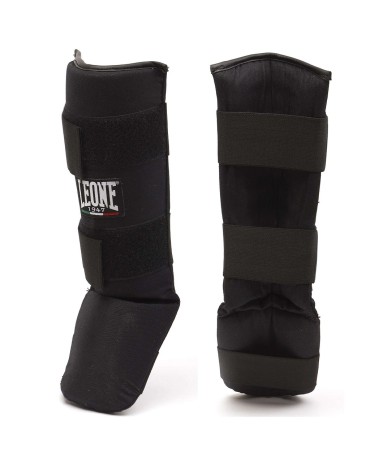
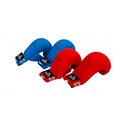
Shin guards, gloves, groin guard… depend on the discipline and whether sparring is included (and how intense it is).
Frequently Asked Questions
Can kids start at age 3?
Sometimes, yes—but it’s usually more like play-based movement/coordination. The key is that your child enjoys it.
How many days a week is ideal?
To start, two days per week is perfect. If they love it, you can add more later.
What if my child is shy or doesn’t like contact?
Start in a supportive environment with age-appropriate classes. Confidence builds over time.
What if they want to quit after a month?
Give it 6–8 weeks before deciding. Sometimes they just need time to adapt.
Conclusión
Signing your child up for martial arts is giving them life tools. It’s not about creating “little fighters,” but helping them grow into confident, respectful, and healthy kids.
If your child is ready to step onto the mat, Kenia Fitness can help you gear them up for day one. Visit our store and find everything they need to start this adventure safely.
See you on the mat!
- today
- label Karate
- favorite 0 likes
- remove_red_eye 63 views
- comment 0 comments